
Weight Management Recipes

These weight management recipes are built on fresh, whole ingredients; real food you can shop for at any supermarket and cook on a weeknight without special equipment. 

Each one is designed to be simple, satisfying, and easy to keep up with while you’re on the Thera Wellness® Weight Management Program.

Your provider will tailor portions and choices to you, so treat these as ideas rather than rules. Cook what you’ll actually enjoy.

Breakfast ideas — Foundation Phase

Choose one of the following, or your own equivalent.

grilled-chicken-with-cherry-tomatos

Continental breakfast

One slice of toast, a corn or rice rusk, or two crackers, with a boiled or steamed egg or two cheese wedges with sliced tomato.
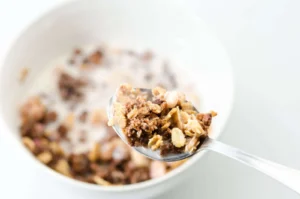
cereal-and-milk

Hot or cold cereal

Three-quarters of a cup of milk with half a cup of cereal; whole wheat, corn flakes, or plain oatmeal.
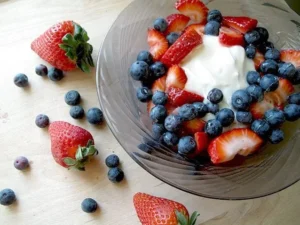
greek-yogurt-and-fruit

Yogurt with fresh fruit

Greek yogurt topped with whatever fruit is fresh and in season.
tea-and-coffee

Tea or coffee

Sweetened with stevia or xylitol if you prefer.

Lunch and dinner ideas — Foundation Phase

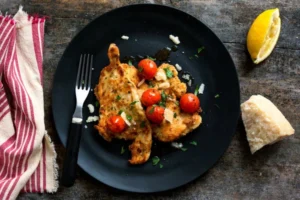
grilled-chicken-with-cherry-tomatos

Grilled chicken with cherry tomatoes

Pan-fry chicken breast, cut into small pieces, on a non-stick pan and season to taste. Serve with cherry tomatoes.
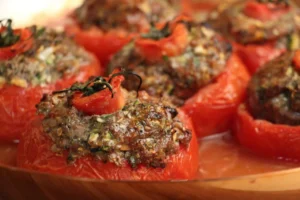
stuffed-tomatoes

Stuffed tomatoes

Pan-fry lean ground beef with onion, garlic, spices, a little water and the scooped-out inside of two medium tomatoes. Stuff the tomatoes and bake for 20 minutes, sprinkling with water as they cook.
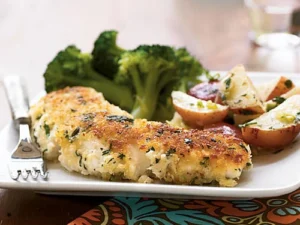
Halibut-with-steamed-broccoli

Halibut with steamed broccoli

Steam or grill halibut, season to taste and finish with lemon juice or fish sauce. Serve with broccoli or young beet leaves.

chicken-soup

Chicken or shrimp soup

Simmer chicken or shrimp with carrots and onions, and season to taste.
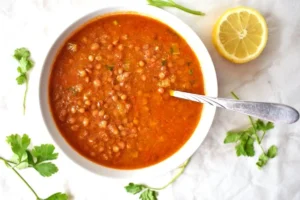
lentil-and-tomato-soup

Lentil and tomato soup

Lentils cooked with tomato chunks, bay leaf, garlic, salt and pepper. Add a small piece of feta.
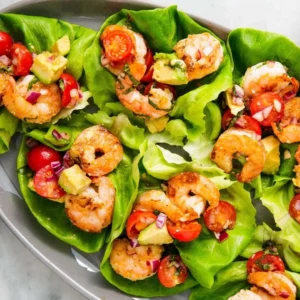
green-salad-with-shrimps

Shrimp salad

Boiled shrimp over shredded romaine with garlic salt, lemon juice and fresh herbs.
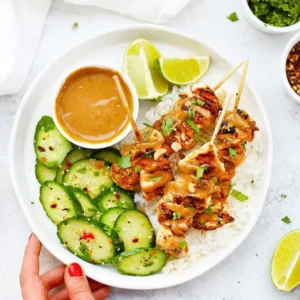
Grilled-chicken-breast-skewer-with-cucumber-salad

Chicken skewers with cucumber salad

Grilled chicken breast skewered with bell pepper and onion, served with cucumber salad dressed in apple cider vinegar and garlic salt.
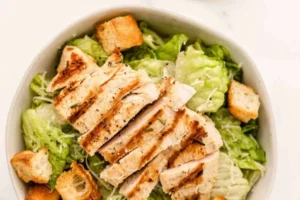
Grilled-Chicken-Caesar-Salad

Caesar-style salad

Romaine and grilled chicken, finished with a squeeze of lemon.

turkey-wrap

Turkey wrap

Turkey breast, lettuce, bell pepper, mustard and lemon juice wrapped in a tortilla.
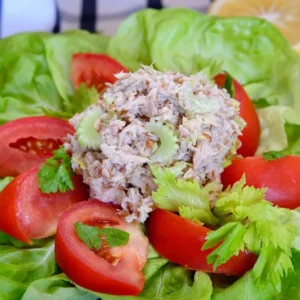
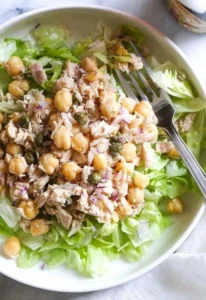
green-salad-with-tuna

Tuna salad

Tuna with cherry tomato, cucumber, lettuce, lemon juice and a pinch of salt.
Transition Phase meal ideas

As more foods come back in, meals get a little broader. Same principle: fresh ingredients, simply prepared.

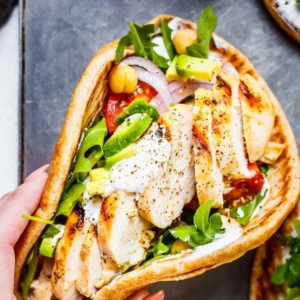
Pita-with-chicken

Pita with chicken and apple

Medium pita filled with chicken breast pieces, grated apple and a spoonful of strained yogurt.
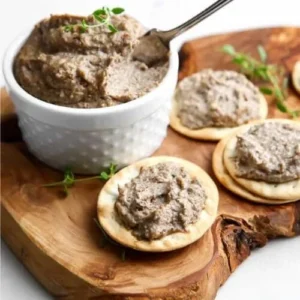
Vegetarian-pate

Lentil and walnut pâté

Cooked lentils blended with walnuts and olive oil. Serve with whole-grain crackers and olives.
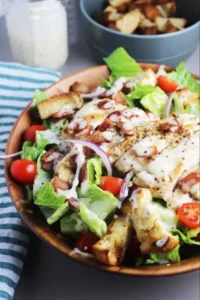
Club-salad

Club salad

Iceberg lettuce with turkey, cherry tomatoes, chopped bacon, a spoonful of light mayonnaise and pita chips.
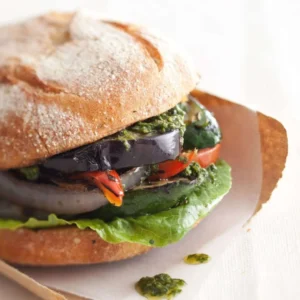
Sandwich-with-grilled-veggies

Grilled vegetable sandwich

Roasted pepper and eggplant with provolone on wholemeal bread.
Tortilla-with-shrimps-and-avocados

Shrimp and avocado tortilla

Wholemeal tortilla with boiled shrimp, avocado, cucumber, strained yogurt, olives, lemon, salt and pepper.
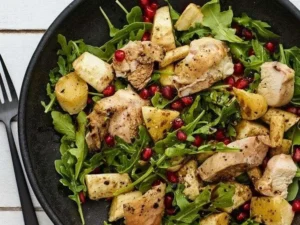
mixed-green-salad-with-pomegranade

Chicken and pomegranate salad

Mixed greens with chicken breast, a spoonful of light mayonnaise, pistachios and fresh pomegranate.
Spicy-chick-peas-with-tuna

Spicy chickpeas with tuna

Drained tuna with boiled chickpeas and cayenne pepper, served on lettuce leaves.
Curry-egg-salad

Curry egg salad

Boiled eggs mixed with strained yogurt and curry powder, served with whole-wheat crackers.

How can mindful eating habits help?

How you eat matters as much as what you eat. These habits are simple, free, and they make meals more satisfying:

  • Eat seated at a table; not standing, not in the car
  • Before you start, take a few slow breaths and let yourself settle
  • Turn off the television; put on something calm if you like
  • Eat slowly, chew well, and take small breaks during the meal
  • Stop when you feel full; you don’t have to finish what’s in front of you
  • Take a moment to enjoy the food rather than rushing through it
  • Move in whatever way you enjoy; even a half-hour walk is genuinely good for you

What if progress feels slow?

Progress is rarely a straight line, and a slower week doesn’t mean the program isn’t working.


When that happens, talk to your provider rather than changing your plan on your own. They can look at what’s actually going on in your week and adjust with you; that’s exactly what the one-on-one support is there for.


A couple of things worth noticing in the meantime: added sugar hides in unexpected places, including sauces, dressings and spice blends. And staying well hydrated through the day helps meals feel more satisfying.


Frequently asked questions

Do I have to follow these recipes exactly?

No. They’re ideas, not rules. Your provider tailors your plan to your tastes, your schedule and your goals.

Can I swap ingredients?

Yes; swap proteins, vegetables and herbs for what you enjoy and what’s in season. The principle is fresh, simple, whole food.

What if I’m cooking for a family?

Most of these scale easily. Cook once, adjust your own portion, and everyone eats the same meal.

Skip to content